Key Takeaways
- Targeted mail campaigns still provide a strong opportunity for personal connection and brand presence in 2026.
- Strategic segmentation and compliance focus are critical to maximizing the benefits of mail outreach for independent financial professionals.
Many pre-retirees still prefer personalized mail communications from trusted financial professionals, making targeted print campaigns a surprisingly effective strategy for independent advisors in 2026. If you’re evaluating your marketing mix for the new year, understanding the latest mail campaign best practices could offer a powerful edge.
What Is Mail Campaign Targeting?
Effectively reaching prospective clients takes thoughtful strategy. Mail campaign targeting is the process of tailoring physical mail outreach to carefully selected audiences who match your ideal client profile. Here’s how it compares to other outreach approaches—and the basics you need to know.
Direct mail vs. digital outreach
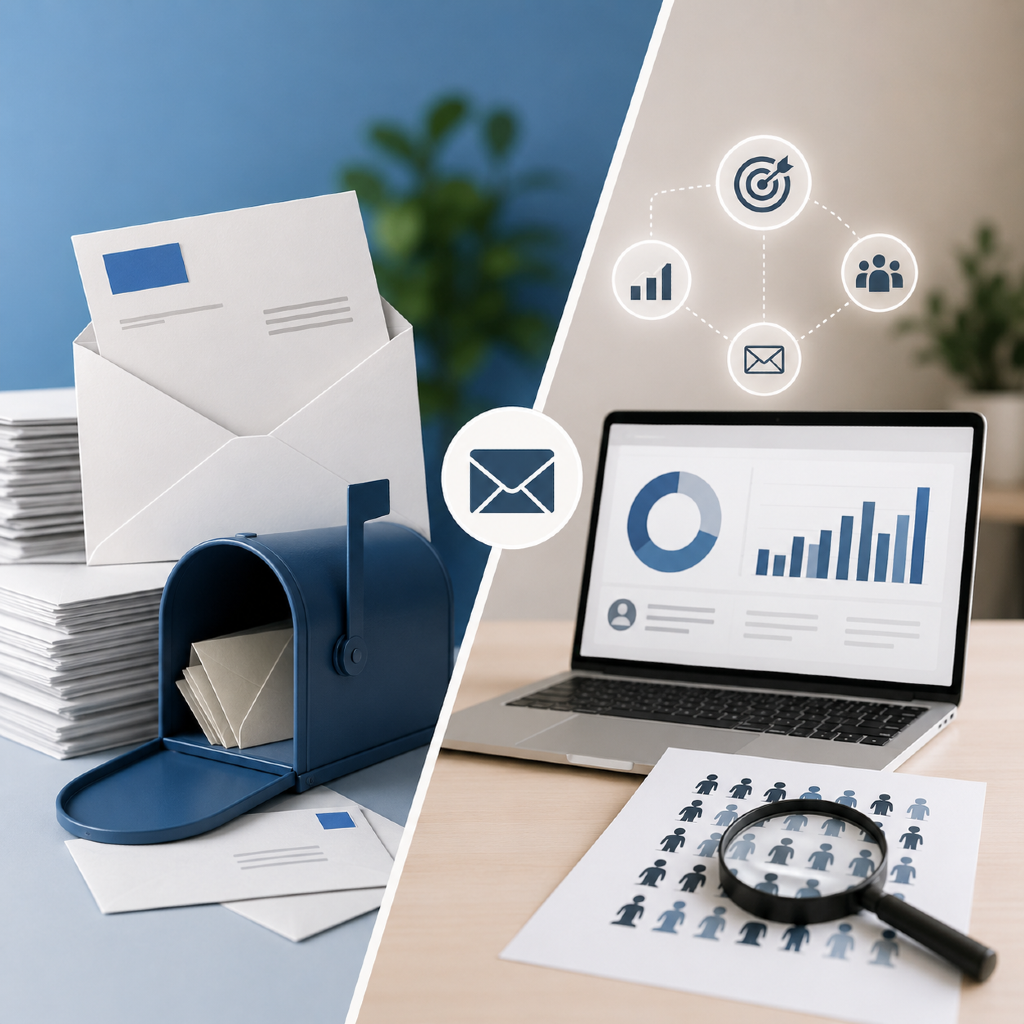
Direct mail stands out for its tangible, personal touch. While digital marketing methods—like email or social media—are cost-efficient and scalable, physical mail is more likely to be noticed, held, and remembered by recipients. Unlike crowded inboxes or fleeting social posts, direct mail can feel more exclusive and signals effort—something that’s critical in high-trust industries like financial services.
On the other hand, digital outreach allows real-time tracking, quick edits, and broad geographic reach with lower per-contact costs. The right approach for your practice often means blending both methods to fit your client base’s communication preferences and your business goals.
Target audience segmentation basics
Segmentation is key to a successful mail campaign. Instead of sending blanket communications, you’ll group potential clients by shared traits: financial goals, age range, location, stage of retirement planning, or life events. This lets your messaging speak directly to their needs, increasing the chance of engagement and building deeper trust from the start. In a compliance-sensitive field, segmentation can also help ensure your outreach is appropriate and relevant—reducing risk and strengthening your professional reputation.
Why Consider Mail Campaigns in 2026?
Marketing channels evolve every year. As a financial advisor, it’s important to gauge whether mail campaigns still make sense looking forward. Here’s what’s driving ongoing interest in targeted print communications.
Industry trends impacting advisors
As of 2026, many advisors report overcrowding in digital channels. With inboxes filling up and social content competing for attention, direct mail is standing out as a way to break through the noise. Research shows response rates for targeted mail remain higher than most digital methods, especially for pre-retiree and retiree demographics who value personal attention from their financial professional.
Meanwhile, compliance requirements are increasingly strict online, making regulated industries look for ways to deepen trust and demonstrate legitimacy. Tangible materials, sent to a well-defined audience, can help establish credibility—from initial outreach through ongoing engagement.
Shifts in client communication preferences
Not everyone wants to connect digitally. Many pre-retirees and retirees still associate physical mail with professionalism and personal service. This preference is reinforced by concerns over online privacy and scams.
Even as more clients get comfortable with digital tools, offering a variety of communication formats is considered a best practice. Physical mail demonstrates investment in the relationship and often prompts recipients to slow down and pay attention—key to making a memorable, trustworthy impression in 2026.
What Are the Key Benefits?
When executed thoughtfully, targeted mail campaigns can yield clear advantages for your practice.
Personalization and touchpoints
You have the ability to personalize every mail piece—using names, tailoring messages to life stages, or aligning content with previous interactions. This creates a sense of authentic connection, which is vital in relationship-driven fields like financial planning.
Regular mailings create multiple touchpoints over time. You’re staying top-of-mind without overwhelming your prospects, reminding them of your expertise and readiness to help whenever they’re ready to make a move.
Brand visibility and awareness
For many independent financial professionals, building brand visibility is a long-term process. Well-designed mail pieces—letters, postcards, or educational brochures—ensure your brand gets seen and remembered. Tangible materials can be displayed, shared with family members, or revisited when needs arise.
This enhanced visibility supports your credibility in a crowded market, reinforcing your firm’s professional values and commitment to personalized service.
What Challenges Should You Expect?
Mail campaigns are not without their obstacles. Knowing the main challenges allows you to plan ahead and allocate resources efficiently.
Budget and resource considerations
Costs for direct mail campaigns are typically higher than digital-only efforts. You’ll need to budget for printing, postage, design, and potentially list acquisition. Tracking effectiveness can be trickier, requiring special phone numbers, landing pages, or response codes to gauge ROI.
Efficient campaigns rely on well-managed data and careful planning—otherwise, resources may be wasted on out-of-date lists or messaging that doesn’t resonate. Consider starting with a small, well-segmented group and scaling up based on results.
Compliance and privacy requirements
Regulations governing financial marketing are strict—and evolving. Make sure your materials are product-neutral, avoid superlative or misleading claims, and never promise specific outcomes. Always honor do-not-mail requests, and protect client data privacy during list management and mail vendor selection.
Work closely with your compliance team or consult resources from your IMO to ensure every campaign meets current requirements and respects your recipients’ privacy expectations.
How Can Targeting Improve Results?
Success in mail marketing heavily depends on how accurately you define and reach your ideal prospects.
Data-driven segmentation methods
Gone are the days of using only zip codes or age ranges. In 2026, advisors can leverage advanced segmentation: combining demographic data, client behaviors, life event triggers, and predictive analytics. This results in higher response rates and better ROI because your message truly fits the recipient’s needs.
Clean, current datasets are essential. Many advisors now use CRM systems that sync client engagement histories, making targeted outreach smarter and more dynamic. Co-op programs may also provide pre-approved, compliance-friendly lists tailored to your business niche.
Examples of effective targeting strategies
Consider these proven strategies:
- Segmenting by retirement readiness: Tailoring content for those nearing retirement vs. those just starting to plan.
- Event-based mailers: Sending invitations for in-person or virtual seminars based on clients’ geographic or interest data.
- Life-stage touches: Triggered mail for milestones like turning 55, receiving an inheritance, or planning healthcare transitions.
The more relevant your messaging, the greater the likelihood of meaningful connections and conversions.
Are There Alternatives to Mail Campaigns?
No marketing plan should rely on a single channel. Exploring alternatives helps diversify your outreach and strengthen overall results.
Digital marketing options for advisors
Harness the power of digital content through email newsletters, educational webinars, optimized websites, and targeted social media ads. These platforms allow detailed performance tracking and can be updated instantly to respond to timely events or regulatory changes.
Combining digital and mail outreach often amplifies both—direct mail can prompt recipients to check out your online resources, driving them toward further engagement.
Utilizing referral and networking strategies
Referrals remain a top growth driver among independent financial professionals. Strengthen relationships with current clients and centers of influence through regular communication and value-driven networking events.
In-person and virtual workshops, community presentations, and professional collaborations expand your reach while reinforcing trust. These approaches enable relationship-building that stands the test of time—an essential complement to any outbound marketing strategy.