Key Takeaways
- Insurance planning webinars are powerful tools for modern lead generation and audience trust when presented compliantly.
- Integrating webinars into a year-round marketing strategy maximizes reach, engagement, and content value for financial professionals.
Many independent financial professionals say webinars are now their top source of new qualified leads—discover how you can leverage this trend compliantly and effectively for 2026. This guide explores formats, lead generation strategies, compliance essentials, and actionable tips to help you maximize your webinars’ impact.
What Are Insurance Planning Webinars?
Webinar formats and audiences
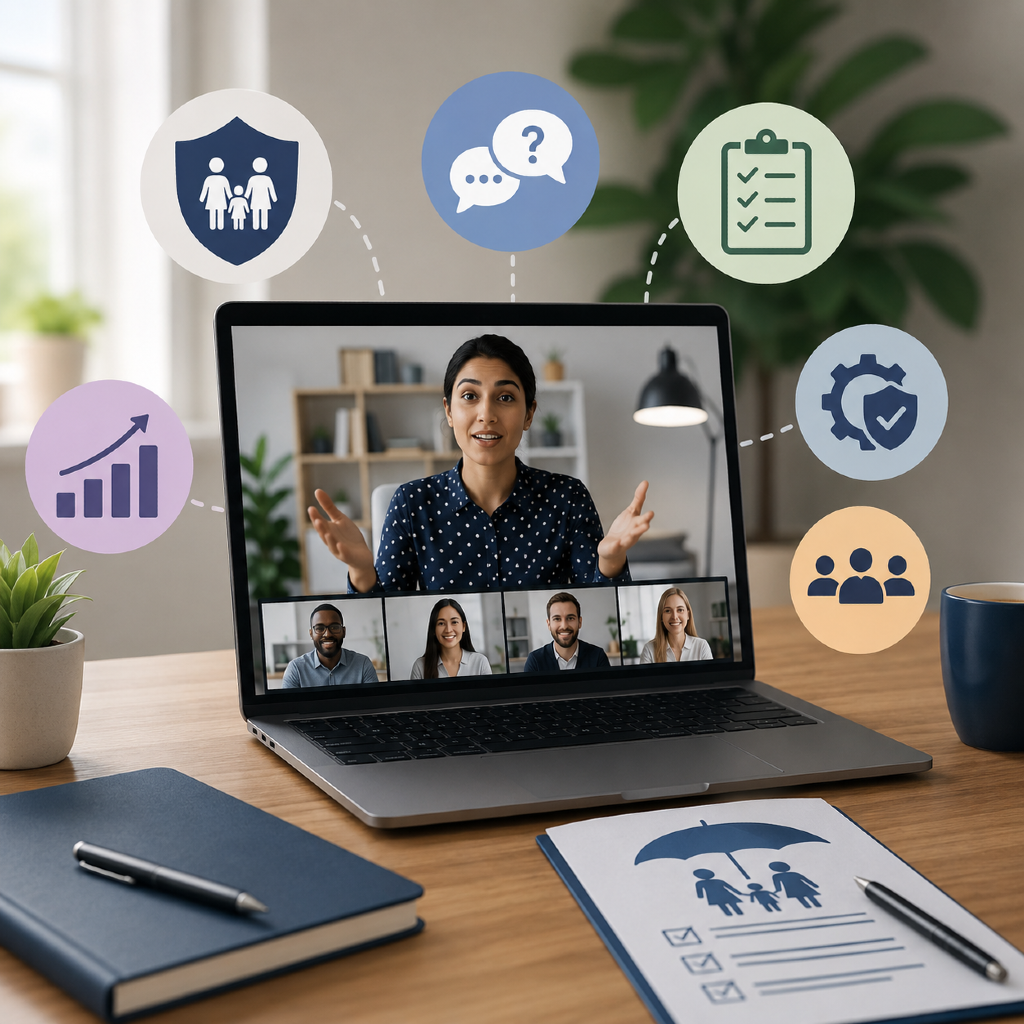
Insurance planning webinars come in several formats: live sessions, on-demand recordings, interactive panel discussions, and targeted workshops for specific market segments. You can tailor these to individuals approaching retirement, business owners, or other niches within your practice. Common platforms include professional webinar tools that offer compliance features, high-quality video, and security, ensuring your audience feels both informed and protected.
Your typical audience includes pre-retirees, retirees, small business owners, and referral partners—people looking for clarity and trusted expertise on sophisticated financial and insurance strategies. The B2B aspect is especially prominent: many webinars serve as peer learning events for independent financial professionals or collaborative case study sessions with centers of influence.
How webinars support independent professionals
Webinars help you educate prospects, demonstrate expertise, and nurture long-term relationships. They serve as convenient, scalable platforms to reach a wide audience, replacing or supplementing in-person seminars. For independent financial professionals, webinars deliver efficient lead generation, ongoing brand visibility, and opportunities for compliant peer collaboration.
Consistent webinars position you as a thought leader, support your client acquisition goals, and help you provide ongoing value—all without requiring large marketing budgets.
Why Is Lead Generation Evolving in 2026?
Emerging digital marketing trends
In 2026, digital marketing continues to shift rapidly. AI-driven analytics, personalized content, and omni-channel engagement have become standard. Lead generation now relies on authentic, relationship-focused content that builds trust over time. Webinars fit this evolution by allowing real-time interaction and education while collecting permission-based attendee data.
Interactive polls, automated follow-up sequences, and integration with CRMs are now common practices. Audiences expect seamless registration, clear value propositions, and data privacy—all of which can differentiate your webinar from generic offerings.
Impact of new client expectations
Today’s clients are more informed and expect transparency, actionable content, and respect for their privacy. They seek personalized learning experiences and advisors who offer ongoing support beyond the initial presentation. By adding regular webinars to your outreach, you establish yourself as a continually available resource—not a one-time presenter.
To meet these expectations, you must ensure your webinars are interactive, relevant, and strictly compliant with regulatory expectations.
How Can Webinars Boost Lead Generation?
Crafting compelling topics
Choosing the right topic is critical. Focus on timely, actionable subjects such as “Tax-Efficient Income Strategies for Retirees” or “Business Succession Planning Essentials.” Keep the content strategy-based, avoiding product-specific pitches. Compelling titles, clear learning objectives, and a practical agenda boost registrations and position you competitively.
Polls, live Q&A, and case-based examples add real-world value without veering into product or rate discussions. Consider inviting reputable guest speakers or bringing in your case design team to enhance credibility and provide new perspectives.
Engagement strategies that work
Proven engagement tactics include:
- Interactive Q&A throughout (not just at the end)
- Live polls and scenario-based questions
- Downloadable checklists and educational guides
- Real-time chat support
- Personalized follow-up with additional educational resources
These methods keep attendees focused and increase the likelihood of follow-up appointments. Always frame your expertise in terms of business-building and case design support—never as a direct product endorsement.
What Are the Latest Compliance Best Practices?
New regulations affecting webinars
The compliance landscape for webinars is evolving in step with new federal and state regulations. In 2026, authorities are focusing on:
- Clear disclosures regarding the educational nature of the event
- Ensuring all marketing materials are product-neutral
- Accessible opt-in/out communications and clear privacy policies
- Prohibition against discussing proprietary products, rates, or carrier names
Partner with your compliance team or a knowledgeable IMO to review all presentations and supporting materials in advance. Regular compliance training is also recommended.
Maintaining product-neutral presentations
Maintain a focus on strategic solutions, not products. Use generic industry examples when discussing hypothetical scenarios. Avoid references to specific carrier names or quoting any proprietary features or rates. If guest speakers join, ensure they are similarly briefed on neutrality and compliance.
By keeping presentations educational and unbiased, you uphold regulatory requirements and build long-term credibility with your audience.
Top Five Avoidable Webinar Mistakes
Common compliance missteps to avoid
Some common compliance pitfalls include:
- Mentioning carrier or product names during the presentation
- Sharing hypothetical performance tied to real rates or bonuses
- Offering guarantees or references to specific compensation
- Inadequate disclaimer placement or missing disclosures
- Using unapproved slides or outdated marketing materials
Thoroughly review all collateral with compliance before each event, and ensure your webinar platform supports required disclaimers and archiving.
Reducing audience drop-off rates
To retain attendees:
- Start on time and respect your published agenda
- Use frequent audience engagement points
- Keep content interactive, not lecture-heavy
- Avoid technical jargon
- End with a clear call to action focused on educational next steps (not sales)
By minimizing compliance risk and maximizing audience engagement, you build trust and reduce mid-webinar drop-offs.
How Do Q&A Sessions Increase Audience Trust?
Creating a safe space for questions
Attendees value the opportunity to ask questions in a no-pressure, judgment-free setting. Encourage real-time questions via chat or anonymous submission forms, and address them honestly using compliant, generic examples. If something can’t be answered on the spot without violating compliance, offer to follow up one-on-one after reviewing specifics.
This openness helps your audience feel heard and understood—laying strong foundations for future collaboration.
Building long-term professional relationships
Consistent, authentic Q&A sessions highlight your expertise and accessibility. They set you apart from less interactive competitors and provide ongoing reasons for prospects and existing clients to engage with you. Transparency in handling questions ensures your professionalism is always on display.
Can Webinars Support Year-Round Marketing?
Integrating webinars into content strategy
Webinars shouldn’t be one-off events. Incorporate them into your recurring marketing calendar: host monthly educational sessions, invite partners or centers of influence, and align topics with seasonal planning needs. Promote each event through email, social media, and client communications to maximize reach.
Utilize analytics from past webinars to refine future topics and ensure you’re consistently answering your target audience’s biggest questions.
Repurposing webinar content effectively
Amplify your reach by repurposing recorded webinars into:
- On-demand videos for your resource library
- Short-form clips for social media or email teasers
- Written recaps for blog articles
- Infographics and downloadable checklists
This approach ensures your expertise continues to generate value long after the live event and supports ongoing lead nurturing throughout the year.