Key Takeaways
- Automated appointment reminders enhance client engagement and reduce no-shows for financial professionals.
- Compliance, integration with CRM tools, and tailored communication methods are essential to successful automation.
What Are Automated Appointment Reminders?
Definition and types of reminder automation
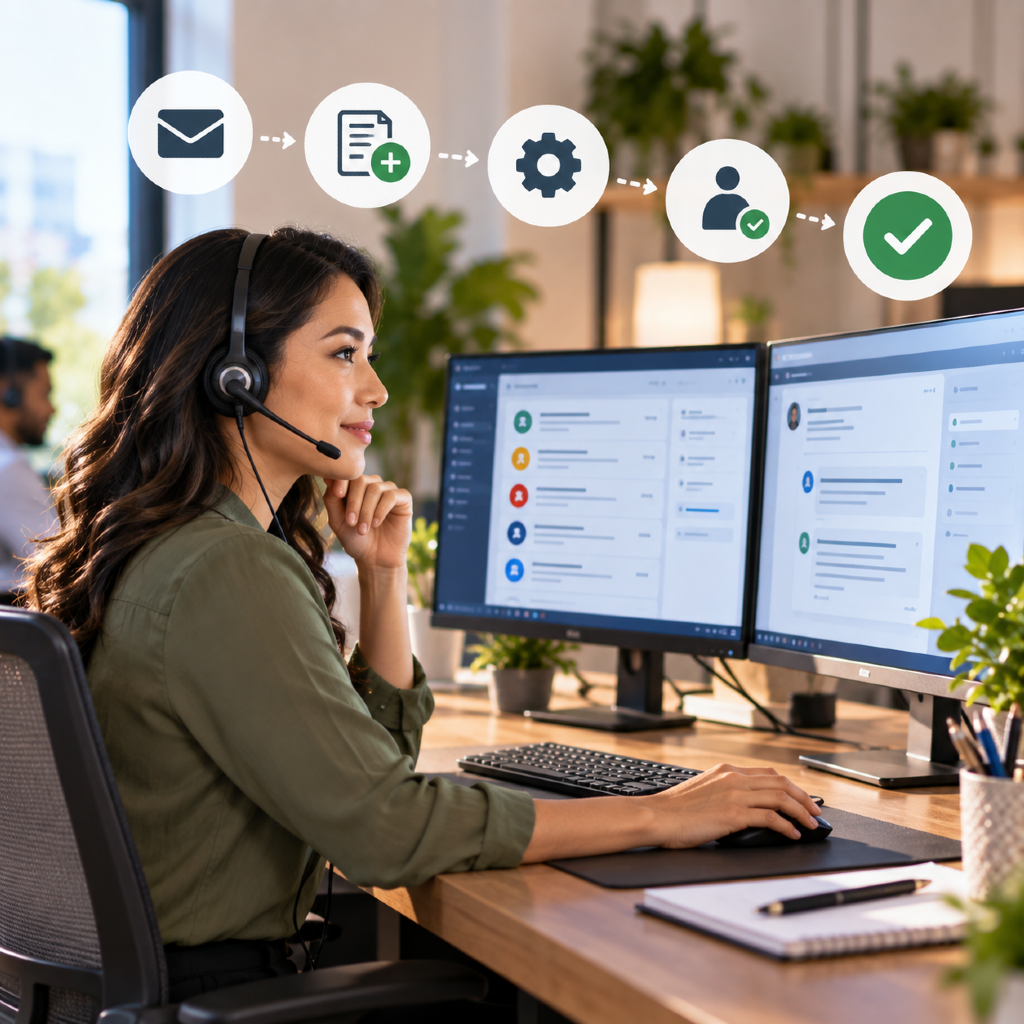
Automated appointment reminders are digital messages—such as emails, text messages (SMS), or in-app notifications—sent to clients before a scheduled meeting. In financial services, this process can be triggered by calendar events, CRM updates, or workflow automation. The primary types include one-way reminders (notifications only), two-way confirmations (allows clients to respond), and customizable sequences (a series of reminders leading up to the appointment).
Typical use cases in financial services
For independent financial professionals, appointment reminders are especially useful for annual reviews, client check-ins, policy renewals, or onboarding sessions. They help maintain client relationships and ensure both parties make the most of each scheduled time slot, reducing last-minute changes and improving overall practice efficiency.
Why Does Appointment Automation Matter?
Reducing no-shows and scheduling gaps
Missed appointments result in lost productivity and revenue opportunities. Automated reminders minimize no-shows by providing clients with timely nudges, making it less likely for meetings to be forgotten or overlooked. Scheduling gaps—frequent in busy practices—reduce when your calendar stays filled with confirmed appointments.
Improving client engagement and retention
Automated reminders show clients you value their time and are committed to their financial journey. Over time, these consistent touchpoints build trust and keep clients engaged, helping independent professionals bolster retention and nurture long-term relationships.
Are Automated Reminders Compliant in Finance?
Key compliance considerations
Financial professionals must balance efficiency with regulatory expectations. Reminder communications may include personal information or appointment details, which triggers data protection requirements under regulations such as the Gramm-Leach-Bliley Act (GLBA), SEC rules, or state privacy laws. It’s essential to safeguard client confidentiality at every automation step.
How to ensure compliance with regulations
To stay compliant, use reminder systems that offer secure transmission (like encrypted email and SMS services). Always obtain client consent before sending reminders. Ensure that reminders do not include sensitive personal, financial, or account summary details. Regularly review your automation platform’s privacy and data protection policies to match your regulatory obligations.
How to Automate Appointment Reminders: Step-by-Step
What you’ll need for automation
Start with three essentials: a reliable calendar or CRM, an automation platform that supports reminders, and clear consent from your clients to receive automated communications.
Step 1: Map your client appointment workflow
Diagram your typical client appointment process—from booking to follow-up—identifying where reminders should be sent. This planning helps tailor automated messages at the most impactful moments, like confirmation, the day-before, and one-hour alerts.
Step 2: Select a secure reminder automation tool
Choose a solution with security features fit for financial services, such as encrypted messaging and robust access controls. Look for audit trails, permission management, and compatibility with your existing technology stack to align with compliance requirements.
Step 3: Integrate with CRM and scheduling systems
Connect your reminder tool to your CRM and calendar, allowing automatic syncing of contact information and appointment data. Reliable integration prevents data entry errors, reduces administrative work, and keeps your scheduling seamless.
Step 4: Set messaging preferences (email, SMS)
Ask clients how they prefer to be contacted. Tailor delivery by channel—some may respond better to SMS, others to email. Adjust the timing and content of reminders to reflect your brand’s professional, approachable tone.
Step 5: Test, monitor, and adjust for performance
Before deploying widely, test your automation with internal staff or a small client group. Monitor delivery rates, open/read rates, and client feedback. Adjust frequency, timing, or message content based on performance data and ongoing compliance review.
What Tools Support Reminder Automation?
Popular platforms for financial professionals
Independent financial professionals often use appointment automation tools that integrate with the systems already in place—such as practice management platforms, CRM tools, and secure messaging add-ons. Many platforms offer pre-built templates and compliance-aware customization options suited for financial services.
Integration options with CRM systems
Integration is crucial to maximize automation efficiency and accuracy. Most reminder platforms provide integrations with leading CRM and scheduling systems via APIs, plug-ins, or built-in connectors. This ensures all client and appointment data flows seamlessly, enabling personalized and timely reminders.
Email or SMS: Which Reminder Method Wins?
Comparing effectiveness in financial services
Email reminders work well for detailed, professional communication, while SMS excels in immediacy and response rates. For many financial professionals, offering both options ensures broad client reach, as preferences may vary based on client age, tech comfort, and urgency of the appointment.
Best practices for each communication channel
For email: Keep subject lines clear (e.g., “Reminder: Your Appointment with [Your Practice Name]”), provide appointment details, and offer easy ways to confirm or reschedule. For SMS: Use concise, friendly language, avoid sharing sensitive details, and include a clear response instruction if confirmation is needed.
What Are Best Practices for Reminder Automation?
Timing and frequency of reminders
Industry experience suggests sending at least two reminders: one at booking/confirmation and another 24–48 hours before the appointment. For high-value meetings, a same-day reminder adds extra assurance. Avoid over-messaging, which can overwhelm clients and reduce engagement.
Personalization and client etiquette
Always address clients by name, align the tone to their communication preference, and allow easy rescheduling or reply options. Personalization—not just automation—demonstrates that you value your client’s time and business.
Frequently Asked Questions
Can automated reminders reduce compliance risk?
Yes, as long as reminder tools are secure, privacy policies are followed, and messages avoid sensitive content, automation helps document communication trails and standardizes compliance-friendly outreach.
How do reminders help independent professionals?
They reduce missed meetings, keep your calendar optimized, and free up staff from manual outreach, enabling you to focus on high-value client interactions.
What metrics should I track?
Monitor no-show rates, delivery and open rates, client engagement responses (confirms/cancellations), and feedback to measure automation success and adjust your strategy over time.